What to Do If You Get Scammed Online (Step-by-Step Guide)

Introduction
Getting scammed online can feel overwhelming, embarrassing, and even frightening. One moment everything seems normal—you're shopping, investing, or chatting—and the next, your money or personal information is gone. The truth is, online scams are becoming more sophisticated every year, and even careful people can fall victim.
If this has happened to you, take a breath. You’re not alone—and more importantly, there are clear steps you can take to minimize the damage and protect yourself moving forward.
This guide walks you through exactly what to do if you get scammed online, step by step. Whether it’s a fake online store, phishing email, crypto scam, or social media fraud, the actions you take in the first hours and days matter the most.
Understanding Online Scams
Online scams come in many forms, but they all have one goal: to trick you into giving away money, sensitive information, or access to your accounts.
Common Types of Online Scams
- Phishing scams – Fake emails or messages pretending to be from trusted companies
- Online shopping scams – Fake websites selling products that never arrive
- Investment scams – Promises of high returns with little or no risk
- Romance scams – Emotional manipulation to gain money or gifts
- Account takeover scams – Hackers gaining access to your accounts
Why People Fall for Them
Scammers rely on urgency, fear, or excitement. They may:
- Pressure you to act quickly
- Pretend to be authority figures
- Offer deals that seem too good to be true
- Use realistic-looking websites or messages
Even experienced internet users can be caught off guard.
Step-by-Step: What to Do Immediately After Being Scammed
1. Stay Calm and Act Quickly
Panic can make things worse. The faster you act, the better your chances of limiting the damage.
Focus on:
- Securing your accounts
- Stopping further transactions
- Reporting the incident
2. Stop All Communication with the Scammer
If you're still in contact with the scammer:
- Do not reply to messages
- Do not send additional money
- Avoid clicking any links they send
Scammers often try to continue manipulating victims once they sense hesitation.
3. Secure Your Accounts
This is one of the most important steps.
Immediately:
- Change passwords for affected accounts
- Update passwords for email, banking, and social media
- Enable two-factor authentication (2FA)
Tip: Use strong, unique passwords for each account.
4. Contact Your Bank or Payment Provider
If money is involved, act fast.
If You Paid via Bank Transfer:
- Contact your bank immediately
- Ask if the transaction can be reversed
If You Used a Credit/Debit Card:
- Request a chargeback
- Block your card if necessary
If You Used Digital Wallets or Crypto:
- Report the transaction to the platform
- Understand that recovery may be difficult, but reporting is still important
5. Report the Scam
Reporting helps protect others and may improve your chances of recovery.
You can report to:
- Your local consumer protection agency
- Cybercrime units in your country
- The platform where the scam occurred (e.g., social media, marketplace)
Include:
- Screenshots
- Transaction details
- Email or message records
What to Do Within the First 24–72 Hours
6. Monitor Your Financial Accounts
Keep a close eye on your:
- Bank accounts
- Credit cards
- Payment apps
Watch for:
- Unauthorized transactions
- Small “test” charges
7. Check for Identity Theft
If you shared personal information (like ID, address, or passwords), you may be at risk of identity theft.
Take these steps:
- Monitor your credit report
- Set up fraud alerts if available
- Be cautious of unexpected calls or emails
8. Scan Your Device for Malware
Some scams involve malicious links or downloads.
Use:
- Antivirus software
- Malware scanners
Remove anything suspicious immediately.
Real-World Examples
Example 1: Fake Online Store
Sarah orders shoes from a website offering huge discounts. The website looks professional, but she never receives the product.
What she did right:
- Contacted her bank quickly
- Filed a chargeback
- Reported the website
Lesson: Always check reviews before purchasing.
Example 2: Phishing Email
Ali receives an email claiming his account is locked. He clicks a link and enters his login details.
What he did next:
- Changed his password immediately
- Enabled 2FA
- Reported the phishing email
Lesson: Always verify before clicking links.
Example 3: Investment Scam
John invests in a platform promising high crypto returns. After depositing funds, the platform disappears.
Outcome:
- Funds were not recoverable
- He reported the scam and warned others online
Lesson: If it sounds too good to be true, it probably is.
How to Recover Emotionally and Financially
Being scammed isn’t just about money—it can affect your confidence and trust.
Emotional Impact
You might feel:
- Embarrassed
- Angry
- Stressed
Remember:
- Scammers are professionals
- Anyone can be targeted
Talking to someone you trust can help.
Financial Recovery Tips
- Create a plan to rebuild savings
- Avoid “recovery scams” (services promising to get your money back for a fee)
- Focus on prevention moving forward
How to Avoid Getting Scammed Again
Prevention is your best defense.
1. Always Check Reviews
Before using a website or service:
- Look for independent reviews
- Check multiple sources
- Watch for repeated complaints
2. Verify Websites and Links
Before entering sensitive information:
- Check the URL carefully
- Look for HTTPS (secure connection)
- Avoid clicking suspicious links
3. Be Cautious with Offers
Red flags include:
- Unrealistic discounts
- Guaranteed returns
- Urgent requests for payment
4. Use Secure Payment Methods
Safer options include:
- Credit cards (for chargeback protection)
- Trusted payment platforms
Avoid:
- Direct bank transfers to unknown parties
- Unverified crypto payments
5. Protect Your Personal Information
Never share:
- Passwords
- One-time codes
- Banking details with unknown sources
6. Keep Software Updated
Updates often fix security vulnerabilities.
Make sure to update:
- Your phone
- Apps
- Antivirus software
Warning Signs of a Scam
Watch for these common signals:
- Poor grammar or spelling in messages
- Requests for urgent action
- Unknown senders asking for money
- Deals that feel “too perfect”
- Lack of verifiable contact information
Trust your instincts—if something feels off, pause and investigate.
When to Seek Professional Help
In serious cases, consider:
- Legal advice if large sums are involved
- Identity theft protection services
- Financial advisors for recovery planning
Conclusion
Getting scammed online is a tough experience, but it doesn’t have to define your future. What matters most is how you respond.
By acting quickly, securing your accounts, reporting the scam, and learning from the experience, you can limit the damage and protect yourself going forward.
The internet offers incredible opportunities—but it also requires awareness and caution. Stay informed, trust verified reviews, and always think twice before sharing money or personal information.
Final takeaway:
If something feels wrong online, pause. A few extra minutes of checking can save you from weeks—or even months—of stress.
Stay safe, stay informed, and don’t hesitate to speak up and report suspicious activity. Your actions could help protect others too.
More Articles
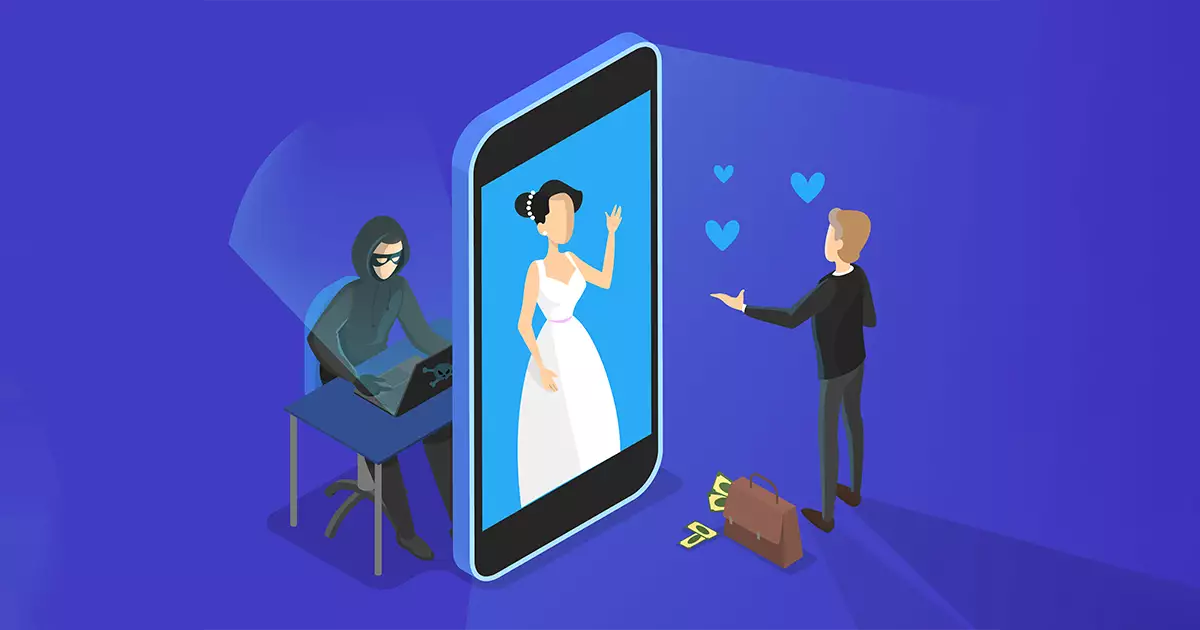
What to Do If You’ve Been Targeted by a Romance Scam: A Step-by-Step Recovery Guide
You wake up and check your messages—nothing. No “good morning,” no affectionate vo...
Read more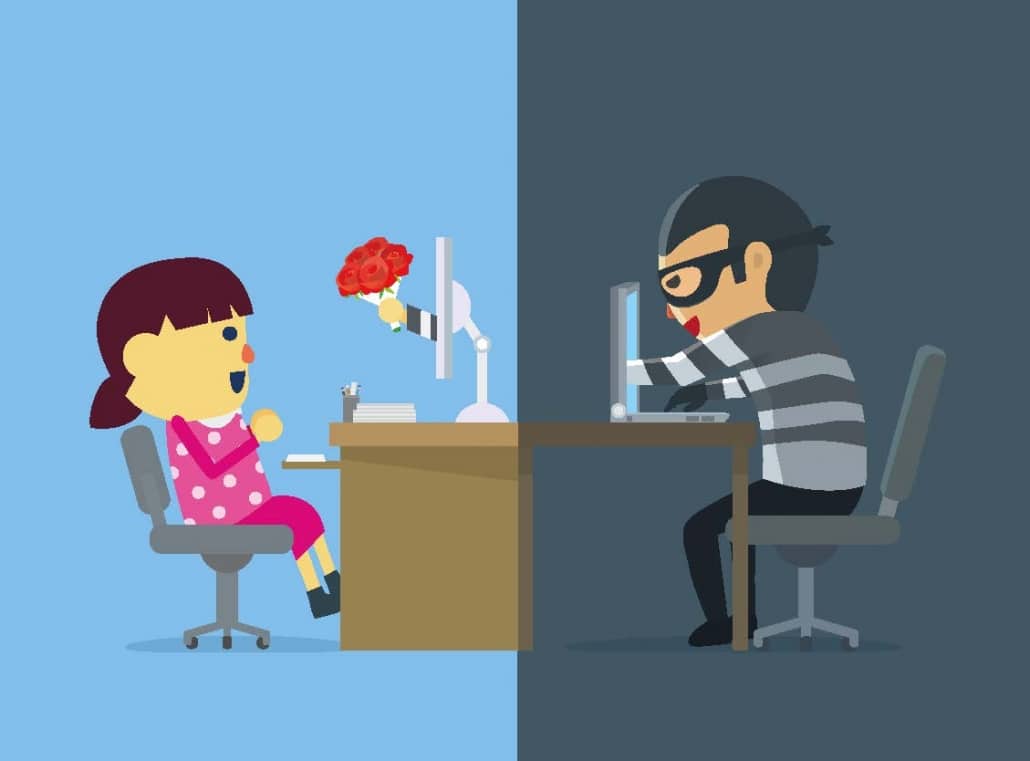
How to Spot a Romance Scam Before It’s Too Late: Real Warning Signs from User Reviews
You match with someone online. They’re attentive, thoughtful, and somehow always say exactly w...
Read more
Step-by-Step Guide to Reporting a Suspicious Review
Introduction Online reviews have become one of the most powerful tools for making decisions. Whethe...
Read more