How to Spot a Romance Scam Before It’s Too Late: Real Warning Signs from User Reviews
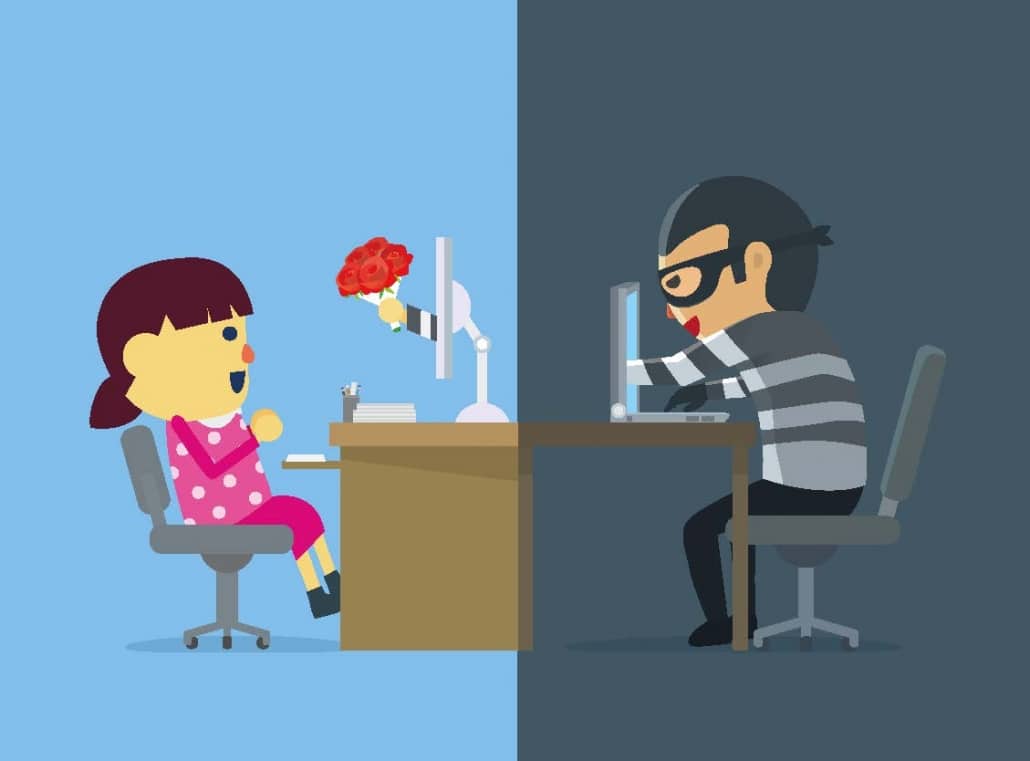
You match with someone online. They’re attentive, thoughtful, and somehow always say exactly what you need to hear. Within days, it feels intense. Within weeks, it feels serious.
Then something small happens—they can’t video call. Or they suddenly need help with a financial emergency.
If that scenario feels even slightly familiar, you’re not alone. Thousands of people share nearly identical stories in user reviews across dating apps, forums, and consumer protection sites. And the painful part? Most victims didn’t realize what was happening until they were already emotionally or financially invested.
This guide focuses on one clear goal: helping you recognize romance scams early—before emotional attachment clouds your judgment.
Why Romance Scams Work (Even on Smart People)
Romance scams aren’t about intelligence—they’re about emotional timing.
Scammers are trained to:
- Create rapid emotional bonds
- Mirror your values and interests
- Introduce urgency or crisis at the right moment
From real user reviews, a common pattern emerges:
“I knew something felt off, but by then I didn’t want to believe it.”
That’s the trap. The longer the interaction continues, the harder it becomes to step back.
The Most Common Romance Scam Pattern (Based on Real Reviews)
Let’s break down the typical timeline users report.
Phase 1: Fast Emotional Hook
They:
- Compliment you early and often
- Say things like “I’ve never felt this connection before”
- Ask deep personal questions quickly
Example from a user review:
“By day 3, he was calling me ‘my future wife.’ I thought it was sweet.”
What’s really happening?
They’re accelerating intimacy so you skip natural skepticism.
Phase 2: The “Perfect but Distant” Identity
Common profiles mentioned in reviews:
- Military personnel overseas
- Oil rig workers
- Engineers on international projects
- Doctors on humanitarian missions
Why this matters:
- Explains why they can’t meet
- Justifies time zone gaps
- Makes verification difficult
Red flag combo:
“Successful + overseas + limited communication = high risk”
Phase 3: Communication Moves Off the Platform
They often say:
- “I don’t like chatting here”
- “Let’s move to WhatsApp or email”
Why scammers do this:
- Avoid platform moderation
- Reduce chances of being reported
- Gain more control over communication
Phase 4: Small Problems → Big Emergency
This is where most users realize something is wrong—but often too late.
Common scenarios from reviews:
- “My bank account is frozen”
- “I need help paying for a shipment”
- “I’m stuck and need a temporary loan”
It often starts small:
- $50 → $200 → $1,000+
Then escalates quickly.
10 Real Warning Signs You Should Never Ignore
These aren’t theoretical. These come directly from repeated user experiences.
1. They Fall for You Too Fast
If someone says “I love you” within days or weeks—pause.
Healthy relationships build gradually.
2. They Avoid Video Calls (Always Have an Excuse)
Common excuses:
- Broken camera
- Poor internet
- “Security reasons”
Reality: Technology rarely fails this consistently.
3. Their Photos Look Too Perfect
Reverse image searches often reveal:
- Stock photos
- Stolen identities
- Modeling profiles
4. Their Story Sounds Impressive—but Vague
Ask specific questions:
- Where exactly are you stationed?
- What company do you work for?
Scammers struggle with details.
5. They Introduce Financial Issues Early
Even subtle hints matter:
- “I’m having a tough time accessing my funds”
- “I wish I had someone to help me right now”
6. They Use Emotional Pressure
Phrases like:
- “If you really care about me…”
- “You’re the only one I can trust”
This is manipulation—not love.
7. They Avoid Meeting in Person (Endlessly)
There’s always:
- A delay
- A last-minute cancellation
- A new excuse
8. Their Grammar or Tone Suddenly Changes
Some users report:
- Perfect English → broken English overnight
This can indicate multiple scammers using the same account.
9. They Ask You to Keep the Relationship Secret
This isolates you from advice.
Big red flag.
10. They Ask for Unusual Payment Methods
From real cases:
- Gift cards
- Cryptocurrency
- Wire transfers
These are nearly impossible to recover.
Subtle Signs Most People Miss (But Reviews Reveal)
These are less obvious—but incredibly important.
They Mirror Your Life Too Perfectly
You say:
“I love traveling.”
They respond:
“That’s my passion too.”
Over and over again.
What’s happening:
They’re reflecting your personality back at you.
They’re Always Available—Until They Need Something
Before asking for money:
- Constant communication
After:
- Suddenly inconsistent
Their “Emergencies” Feel Scripted
Many reviews describe similar wording:
- Same phrases
- Same types of crises
This isn’t coincidence—it’s a script.
Real-Life Scenario Breakdown
Let’s walk through a realistic example.
Week 1:
- You meet online
- Daily conversations begin
- They express strong feelings quickly
Week 2:
- Move to private messaging
- They share emotional stories
Week 3:
- They mention a problem
- Ask for small help
Week 4+:
- Requests increase
- Pressure intensifies
Turning point:
You hesitate—and they become defensive or emotional.
Why It’s So Hard to Leave
Understanding this helps you act faster.
Emotional Investment
You’re not just losing money—you feel like you’re losing a relationship.
Hope Bias
“What if they’re real?”
Scammers rely on this exact thought.
Embarrassment
Many users say:
“I didn’t tell anyone because I felt stupid.”
This delays action—and increases loss.
Common Mistakes (And How to Correct Them)
Mistake 1: Ignoring Early Red Flags
Correction:
Treat early discomfort as data—not paranoia.
Mistake 2: Thinking “It Won’t Happen to Me”
Scammers target:
- Smart people
- Professionals
- Emotionally aware individuals
No one is immune.
Mistake 3: Sending “Just a Small Amount”
This opens the door.
Once you send money, requests usually increase.
Mistake 4: Not Verifying Identity
Correction steps:
- Request live video call
- Reverse image search photos
- Ask detailed, specific questions
Mistake 5: Keeping It Private
Talk to someone you trust.
A second perspective can reveal what you’re missing.
Quick Practice: Spot the Scam Faster
Use this simple checklist next time you chat with someone new.
Step 1: The 3-Day Rule
Ask yourself:
- Are they moving unusually fast emotionally?
If yes → slow down.
Step 2: The Video Test
Within the first week:
- Request a live video call
No valid reason = red flag.
Step 3: The Story Test
Ask 3 detailed questions about:
- Their job
- Location
- Daily routine
Look for inconsistencies.
Step 4: The Money Rule
Never send money to someone you haven’t met in real life.
No exceptions.
Step 5: The Outside Opinion Test
Before making any decision:
- Show the conversation to a friend
Fresh eyes catch patterns you won’t.
FAQ: Real Questions People Ask
1. Can romance scammers use real photos?
Yes. They often steal photos from real people’s social media or modeling accounts.
2. What if they refuse video calls but seem genuine?
Refusal is a major red flag. Genuine people will find a way.
3. Are all long-distance relationships scams?
No. But legitimate ones:
- Allow verification
- Don’t rush emotionally
- Don’t ask for money early
4. What should I do if I already sent money?
- Stop sending more immediately
- Report the account on the platform
- Contact your bank (recovery isn’t guaranteed, but try quickly)
5. Why do scammers ask for gift cards?
They’re untraceable and easy to convert into cash.
Final Thoughts: Trust Patterns, Not Promises
Romance scams don’t rely on one big mistake. They rely on a series of small overlooked signs.
The safest approach isn’t paranoia—it’s pattern recognition.
If you notice:
- Fast emotional attachment
- Avoidance of real interaction
- Any financial request
That’s enough to step back.
You don’t need absolute proof to protect yourself.
And if something feels off—even slightly—take it seriously.
That instinct? It’s usually right.
More Articles
What to Do If You’ve Been Targeted by a Romance Scam: A Step-by-Step Recovery Guide
You wake up and check your messages—nothing. No “good morning,” no affectionate vo...
Read more
Step-by-Step Guide to Reporting a Suspicious Review
Introduction Online reviews have become one of the most powerful tools for making decisions. Whethe...
Read more
How Long Fake Reviews Stay Undetected
Introduction Online reviews shape the way we shop, eat, travel, and even choose services. Whether y...
Read more