What to Do If You’ve Been Targeted by a Romance Scam: A Step-by-Step Recovery Guide
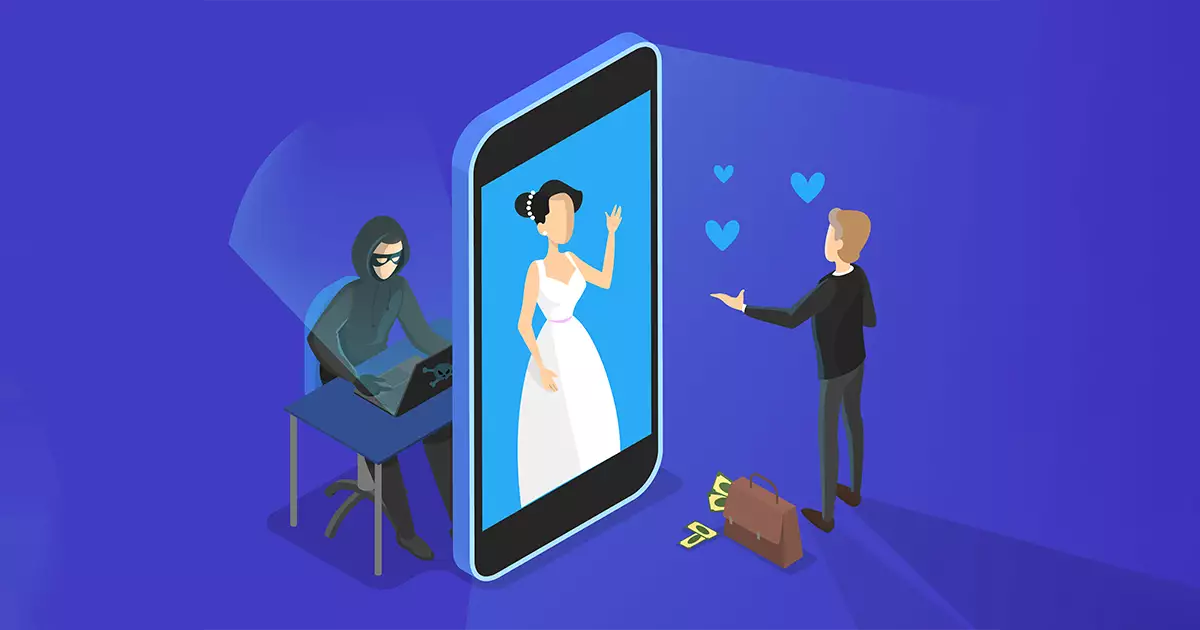
You wake up and check your messages—nothing. No “good morning,” no affectionate voice notes, no promises about the future. Then it hits you: the person you trusted, cared for, maybe even loved… never existed the way you thought.
If you’ve been targeted by a romance scam, you’re not just dealing with financial loss—you’re dealing with confusion, embarrassment, and emotional shock. And here’s the part most guides don’t say clearly enough: recovery isn’t just about getting your money back—it’s about getting your clarity, confidence, and control back.
Let’s walk through exactly how to do that, step by step.
Understanding the Real Problem (It’s Not Just the Scam)
A romance scam works because it bypasses logic and targets emotion. Scammers build trust slowly—sometimes over weeks or months—before making a request.
They don’t just ask for money. They create:
- A sense of urgency (“I’m in trouble, I need help now”)
- A sense of exclusivity (“You’re the only one I can trust”)
- A future promise (“We’ll meet soon, this is temporary”)
So when the truth surfaces, victims often feel:
- “How did I not see this?”
- “Was any of it real?”
- “Can I trust anyone again?”
The recovery process must address all of this—not just the financial aspect.
Step 1: Stop All Contact Immediately
This sounds obvious, but it’s harder than it looks.
Scammers are trained to pull you back in. If you hesitate, they may:
- Apologize and claim misunderstanding
- Create a new emergency
- Guilt you (“I thought you cared about me”)
Action:
- Block them on all platforms (messaging apps, email, social media)
- Do not respond—even once
- Avoid “closure conversations” (they’re traps)
Why this matters:
Every reply reopens emotional influence. Silence is your strongest boundary.
Step 2: Secure Your Finances (Fast, Not Perfectly)
Time matters here. Even if you feel embarrassed, act quickly.
What to do right away:
- Contact your bank or payment provider
- Report the transaction as fraud
- Freeze or monitor your accounts if needed
If you sent money through:
- Bank transfer: Ask about reversal options
- Cryptocurrency: Report the wallet address (even if recovery is unlikely)
- Gift cards: Contact the issuer immediately
Important insight:
Even if you chose to send the money, many institutions still consider this fraud if deception was involved.
Step 3: Preserve Evidence (Even If You Feel Like Deleting Everything)
Your instinct might be to erase the entire experience. Don’t—at least not yet.
Save:
- Chat conversations
- Screenshots
- Payment receipts
- Email addresses and usernames
- Photos they used
Why this matters:
- Helps with fraud investigations
- May support financial recovery
- Can prevent others from being scammed
Think of it as turning your experience into protection—for yourself and others.
Step 4: Report the Scam (Yes, It’s Worth It)
Many people skip this because they think “nothing will happen.”
That’s not entirely true.
Reporting helps:
- Build cases against repeat offenders
- Flag scam accounts and patterns
- Improve fraud detection systems
Where to report:
- Your local consumer protection agency
- Online fraud reporting platforms
- The platform where you met them (dating app, social media)
Real example:
A victim reported a scammer’s profile, which later helped shut down a network of similar accounts using the same photos and script.
Step 5: Understand What Actually Happened (Without Blaming Yourself)
This is the step most people rush past—and regret later.
Instead of asking:
“How was I so stupid?”
Ask:
“What techniques were used on me?”
Common tactics include:
- Love bombing (intense affection early on)
- Consistency building (daily communication habits)
- Crisis creation (sudden emergencies)
- Isolation (“Don’t tell others about us yet”)
When you understand the method, something shifts:
You stop seeing yourself as the problem—and start seeing the manipulation clearly.
Step 6: Address the Emotional Aftermath (This Part Is Real)
This wasn’t just a scam. It felt like a relationship.
You might feel:
- Grief
- Anger
- Shame
- Loneliness
And sometimes, surprisingly:
- Missing them
That last one confuses people the most.
Why it happens:
Your brain formed a connection—even if the person wasn’t real. The emotional experience was real.
What helps:
- Talk to someone you trust (don’t isolate)
- Write down the timeline of events (it clarifies reality)
- Avoid jumping into new online relationships immediately
Step 7: Rebuild Your Trust Filter (Not Just “Trust Again”)
Most advice says “learn to trust again.” That’s incomplete.
What you actually need is a better filtering system, not blind trust.
Practical filters to use going forward:
1. Identity verification early
- Video calls within the first few days
- Reverse image search their photos
2. Watch for timeline inconsistencies
- Stories that shift slightly over time
- Excuses for avoiding real interaction
3. Money = automatic red flag
- Any financial request = pause everything
4. Pressure tactics
- “Act now” is a classic manipulation signal
A useful question to ask yourself:
“Would I advise a friend to trust this situation?”
If not, pause.
Step 8: Learn the Patterns (So It Doesn’t Repeat)
Romance scams follow patterns more than people realize.
Typical script:
- Quick emotional connection
- Daily communication
- Personal hardship story
- Financial request
- Delay meeting in person
Once you see the pattern, future scams become easier to spot—even if they look different on the surface.
Common Mistakes (and What to Do Instead)
Mistake 1: Trying to “Outsmart” the Scammer
Some victims keep engaging to gather proof.
Better approach:
Disengage. You’re not dealing with a single amateur—you’re dealing with trained manipulation.
Mistake 2: Hiding It Out of Shame
Silence keeps you isolated and delays recovery.
Better approach:
Tell at least one trusted person. You’ll regain perspective faster.
Mistake 3: Rushing Into Another Relationship
This often happens as a way to “replace” the experience.
Better approach:
Take time to reset your emotional baseline.
Mistake 4: Thinking “It Won’t Happen Again”
Without understanding the tactics, patterns repeat.
Better approach:
Study what happened—calmly, not critically.
Quick Practice / Action Steps
If you’re feeling overwhelmed, start here:
1. The 10-Minute Reset
- Write down: What happened, step-by-step
- Identify the moment things felt “off”
2. The Reality Check Exercise
Ask yourself:
- Did I ever video call them?
- Did they avoid meeting consistently?
- Did money requests escalate over time?
3. The Boundary Rule
Commit to this:
“I will never send money to someone I haven’t met in real life.”
Simple—but powerful.
FAQ
1. Can I get my money back?
Sometimes, yes—especially if reported quickly. Bank transfers and card payments have a better chance than crypto or gift cards, but it’s always worth trying.
2. Why do I still miss them?
Because your emotional experience was real. You invested time, attention, and care. Missing them doesn’t mean the relationship was real—it means you’re human.
3. Should I confront the scammer?
No. It rarely leads to closure and often leads to further manipulation.
4. How do I trust online dating again?
Don’t aim for blind trust. Build a system:
- Verify identity early
- Avoid financial involvement
- Watch behavior over time
5. Was I specifically targeted?
Sometimes yes, sometimes no. Scammers often cast wide nets—but they invest more in people who respond emotionally and consistently.
Conclusion: Recovery Is Not Just About Moving On
Being targeted by a romance scam can shake your confidence in ways you didn’t expect. But here’s the truth most people don’t say:
You didn’t fail. You were manipulated using a system designed to work.
What matters now is what you do next.
- You cut contact
- You protect your finances
- You understand the tactics
- You rebuild smarter trust
And slowly, something important happens:
You don’t just “get over it”—
you become far harder to deceive.
If you take the steps in this guide seriously, you won’t just recover—you’ll come out sharper, more aware, and more in control than before.
More Articles
How to Spot a Romance Scam Before It’s Too Late: Real Warning Signs from User Reviews
You match with someone online. They’re attentive, thoughtful, and somehow always say exactly w...
Read more
Step-by-Step Guide to Reporting a Suspicious Review
Introduction Online reviews have become one of the most powerful tools for making decisions. Whethe...
Read more
How Long Fake Reviews Stay Undetected
Introduction Online reviews shape the way we shop, eat, travel, and even choose services. Whether y...
Read more