What a “1-Star Review” Can Actually Tell You
Introduction
When browsing online reviews, it’s tempting to skip straight to the glowing 5-star ratings. After all, they feel reassuring and easy to trust. But if you really want to understand a product, service, or company, the most valuable insights often come from the opposite end of the spectrum—the 1-star reviews.
At first glance, these negative reviews may seem like complaints or emotional reactions. But when you look closer, they can reveal patterns, risks, and important details that high ratings often miss.
This article will help you understand how to read 1-star reviews the right way. You’ll learn what they actually tell you, how to separate useful feedback from noise, and how to use them to make smarter, safer decisions online.
What Is a 1-Star Review?
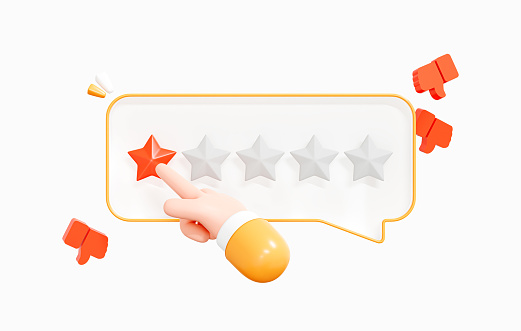
A 1-star review is typically the lowest rating a user can give on a review platform. It signals strong dissatisfaction, frustration, or disappointment with a product or service.
But not all 1-star reviews are created equal.
Some are:
- Emotional reactions after a bad experience
- Detailed and thoughtful warnings
- Misunderstandings or unrealistic expectations
- Genuine reports of serious issues
Understanding the type of 1-star review you’re reading is key to using it effectively.
Why You Should Never Ignore 1-Star Reviews
Many people dismiss negative reviews as outliers. That’s a mistake.
They Highlight Real Risks
1-star reviews often reveal issues like:
- Poor customer service
- Hidden fees or unclear policies
- Product defects
- Delivery problems
These are things companies may not advertise—and that 5-star reviews might overlook.
They Show Worst-Case Scenarios
Think of 1-star reviews as a preview of what could go wrong. Even if the issue is rare, it helps you prepare.
They Add Balance
A product with only positive reviews can sometimes feel suspicious. Negative reviews add authenticity and help you see the full picture.
How to Read a 1-Star Review Properly
Look Beyond the Emotion
Some reviews are written in frustration. Instead of focusing on tone, look for facts.
Ask yourself:
- What actually happened?
- Is there a specific issue described?
- Is there evidence or detail?
Identify Patterns
One negative review might not mean much. But multiple reviews mentioning the same issue? That’s a signal.
Watch for repeated complaints about:
- Late deliveries
- Poor support response
- Product quality issues
- Billing problems
Patterns are far more important than individual opinions.
Check the Context
Sometimes a bad review comes from a misunderstanding.
For example:
- A user didn’t read the return policy
- They expected features not advertised
- They used the product incorrectly
Understanding context helps you judge whether the complaint is valid.
Types of 1-Star Reviews (And What They Mean)
1. The Detailed Warning
These are the most valuable.
They often include:
- Specific timelines
- Screenshots or proof
- Clear descriptions of what went wrong
What it tells you:
There may be a real issue worth considering.
2. The Emotional Rant
These reviews are driven by frustration and may lack detail.
Example signs:
- ALL CAPS writing
- No clear explanation
- Personal attacks instead of facts
What it tells you:
There was likely a bad experience—but you need more information before trusting it fully.
3. The Misunderstanding
Sometimes users blame the company for something outside its control.
Examples:
- Complaining about shipping delays caused by a courier
- Not understanding how a service works
What it tells you:
Be cautious, but don’t overreact. This may not reflect the actual quality of the product.
4. The Pattern Builder
Individually, these reviews may seem small. But together, they form a trend.
Example:
- Several users mention slow refunds
What it tells you:
There may be a consistent issue that deserves attention.
Real-World Scenarios: What You Can Learn
Scenario 1: Online Shopping
You’re buying from a new online store. It has mostly 4- and 5-star reviews, but a few 1-star reviews mention:
- Orders never arriving
- No response from customer support
Even if only a few people experienced this, it’s a serious red flag. You now know:
- There may be reliability issues
- Customer service could be weak
Scenario 2: Subscription Service
A service looks great, but several 1-star reviews say:
- “Hard to cancel”
- “Still charged after cancellation”
This tells you:
- The company may have problematic billing practices
- You should read the cancellation policy carefully
Scenario 3: Product Purchase
You’re considering a gadget. Most reviews are positive, but 1-star reviews say:
- “Stopped working after 2 weeks”
- “Poor build quality”
If multiple people say this, it suggests:
- Durability might be an issue
- You may want a warranty or alternative option
Red Flags Hidden in 1-Star Reviews
Certain complaints should immediately catch your attention.
Watch out for:
- Repeated fraud claims
- Missing deliveries with no resolution
- Unauthorized charges
- Unresponsive customer support
- Fake or misleading advertising
Even if these appear in a small number of reviews, they are worth taking seriously.
How to Balance 1-Star Reviews with Positive Ones
A smart decision comes from looking at both sides.
Here’s a simple method:
- Read several 5-star reviews
- What do people love?
- Read several 1-star reviews
- What do people hate?
- Compare the two
- Are the negatives deal-breakers for you?
Example:
If 5-star reviews praise fast delivery, but 1-star reviews complain about delays:
- It may mean delivery is inconsistent
- You should decide if that risk matters to you
Actionable Tips: How to Use 1-Star Reviews Effectively
1. Don’t Read Just One
Always read multiple negative reviews to identify patterns.
2. Focus on Specific Details
Prioritize reviews that explain:
- What happened
- When it happened
- How the company responded
3. Check Company Responses
A company’s reply to a negative review tells you a lot.
Look for:
- Professional tone
- Willingness to fix the issue
- Clear explanations
This shows whether the company cares about customers.
4. Look at Dates
Recent 1-star reviews are more relevant than old ones.
A company may have:
- Improved its service
- Fixed past issues
5. Consider Your Own Needs
Not every complaint will matter to you.
For example:
- A slow delivery might not matter if you’re not in a hurry
- A complex setup might be fine if you’re tech-savvy
Common Mistakes People Make
Ignoring Negative Reviews Completely
This leads to unrealistic expectations and potential disappointment.
Overreacting to One Bad Review
One negative experience doesn’t define a business.
Trusting Only Star Ratings
A high average rating doesn’t always tell the full story.
Not Checking for Patterns
Patterns are the most important insight—but many users overlook them.
Why Some 1-Star Reviews Are Actually Helpful
It may sound strange, but negative reviews can improve your decision-making more than positive ones.
They:
- Prepare you for potential issues
- Help you avoid risky purchases
- Encourage you to ask better questions
In a way, they act as a warning system.
When to Walk Away Based on 1-Star Reviews
Sometimes, the safest choice is to avoid a product or service entirely.
Consider walking away if you see:
- Multiple reports of scams or fraud
- Consistent complaints about refunds not being issued
- Poor or no customer support
- Serious quality or safety issues
These are not minor inconveniences—they are deal-breakers.
Conclusion
A 1-star review is more than just a complaint—it’s a valuable source of insight.
When read carefully, it can help you:
- Spot risks early
- Understand real user experiences
- Make smarter, safer decisions
The key is not to fear negative reviews, but to interpret them wisely. Look for patterns, focus on facts, and balance them with positive feedback.
Next time you’re checking reviews, don’t scroll past the 1-star ratings. They might just tell you everything you need to know.
Helpful takeaway:
Before making any online decision, spend a few minutes reading both the best and worst reviews. That small effort can save you time, money, and frustration later.
More Articles
What to Do If You’ve Been Targeted by a Romance Scam: A Step-by-Step Recovery Guide
You wake up and check your messages—nothing. No “good morning,” no affectionate vo...
Read more
How to Spot a Romance Scam Before It’s Too Late: Real Warning Signs from User Reviews
You match with someone online. They’re attentive, thoughtful, and somehow always say exactly w...
Read more
Step-by-Step Guide to Reporting a Suspicious Review
Introduction Online reviews have become one of the most powerful tools for making decisions. Whethe...
Read more