Top Warning Signs of Online Shopping Scams You Should Know
Introduction
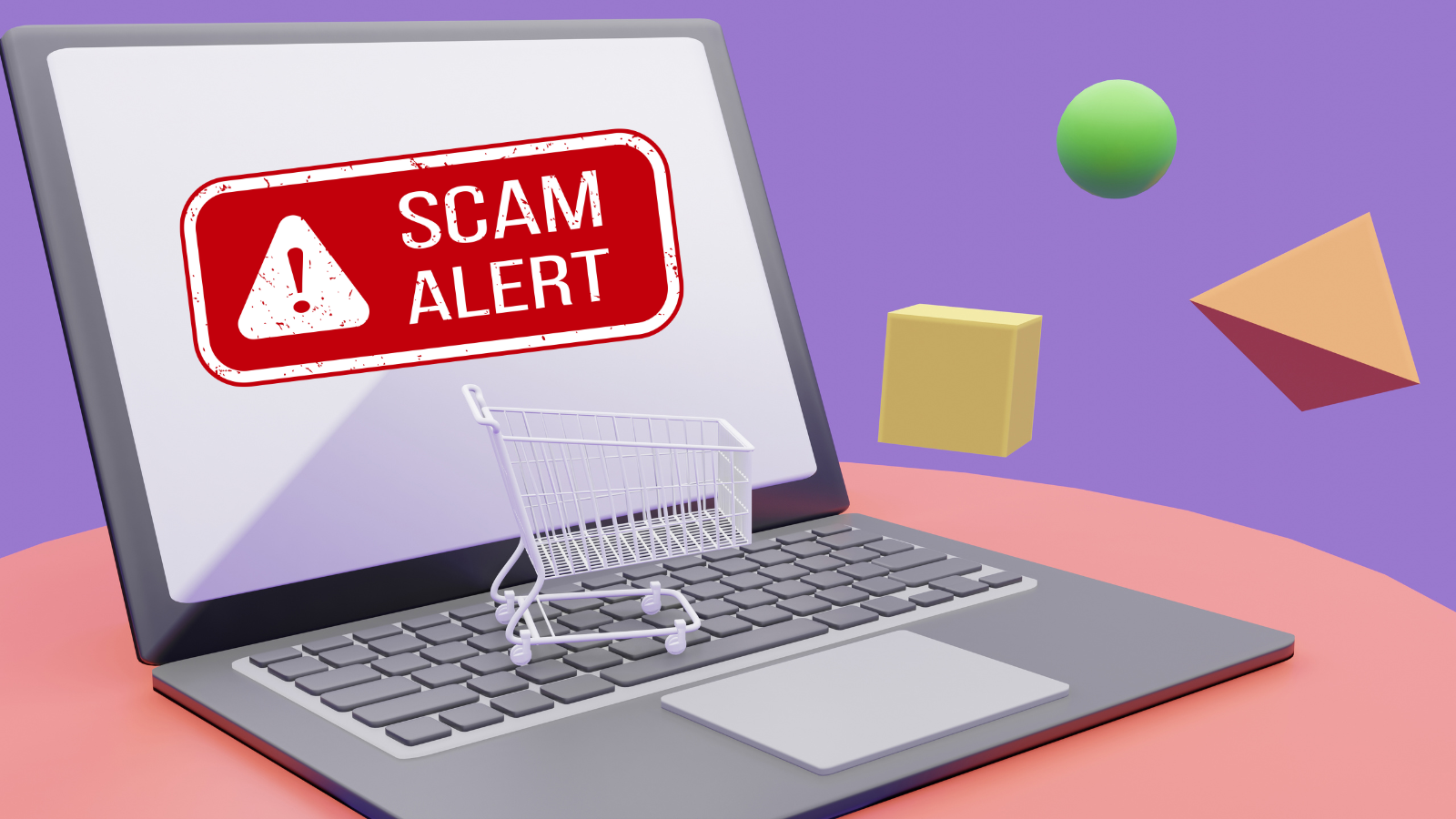
Online shopping has made life easier than ever. With just a few clicks, you can order clothes, gadgets, groceries, or even luxury items from anywhere in the world. But while convenience has increased, so has the number of online scams targeting everyday shoppers.
Many people only realize they’ve been scammed after losing money or receiving fake or poor-quality products. The truth is, most online shopping scams follow predictable patterns—and if you know what to look for, you can avoid them entirely.
This guide will walk you through the most common warning signs of online shopping scams, along with real-world examples and practical tips to help you shop safely and confidently.
What Is an Online Shopping Scam?
An online shopping scam happens when a fake website, seller, or listing tricks you into paying for something that either doesn’t exist or isn’t what was promised.
These scams can appear on:
- Fake e-commerce websites
- Social media ads
- Online marketplaces
- Email or SMS promotions
The goal is simple: to get your money, personal information, or both.
Why Online Shopping Scams Are Increasing
Online scams are growing because scammers have become more sophisticated. They now create professional-looking websites, fake reviews, and even customer service responses that seem real.
Here’s why they’re harder to detect:
- Anyone can create a website in minutes
- Social media ads can target users easily
- Fake reviews can make a site look trustworthy
- Payments can be made instantly and anonymously
Understanding the warning signs is your best defense.
Top Warning Signs of Online Shopping Scams
1. Prices That Are Too Good to Be True
If a deal looks unbelievable, it usually is.
Example:
A brand-new smartphone listed at 70% off with “limited-time offer” messaging.
What to watch for:
- Extremely low prices compared to other sites
- “Flash sale” or “today only” pressure tactics
- Bulk discounts that seem unrealistic
Scammers use low prices to create urgency and stop you from thinking critically.
2. Poor Website Design or Copy Errors
Many scam websites look decent at first glance, but small details give them away.
Red flags include:
- Spelling and grammar mistakes
- Low-quality images or copied product photos
- Broken links or incomplete pages
- Generic descriptions that don’t match the product
Real-world scenario:
A shopper orders shoes from a site with blurry images and awkward English descriptions—only to receive a completely different item.
3. No Clear Contact Information
A legitimate business will always provide ways to contact them.
Warning signs:
- No phone number or physical address
- Only a generic contact form
- Email addresses that don’t match the domain (e.g., Gmail instead of company email)
If you can’t reach the seller easily, that’s a major risk.
4. Fake or Suspicious Reviews
Reviews are one of the biggest trust signals—but they can be manipulated.
Signs of fake reviews:
- All reviews are overly positive
- Reviews sound similar or repetitive
- No negative feedback at all
- Profiles with no history
Example:
A website shows hundreds of 5-star reviews, but none include specific details about the product.
5. No Secure Payment Options
Secure payment methods protect buyers. Scammers prefer methods that don’t.
Be cautious if the site:
- Only accepts bank transfers
- Requests cryptocurrency payments
- Doesn’t support credit cards or trusted payment platforms
Why this matters:
Payments like wire transfers are difficult (or impossible) to recover once sent.
6. Missing or Weak Return Policy
A legitimate online store clearly explains how returns and refunds work.
Warning signs:
- No return policy listed
- Vague or confusing refund terms
- Policies that make returns nearly impossible
Example:
A user buys clothing online but cannot return it because the website requires unrealistic conditions or doesn’t respond.
7. Recently Created or Unknown Websites
Scam sites often appear suddenly and disappear quickly.
What to check:
- Domain age (new domains are riskier)
- Lack of online presence outside the website
- No social media activity or engagement
Tip:
If a store has no history or reputation, proceed carefully.
8. Pressure Tactics and Urgency
Scammers rely on emotional triggers to push quick decisions.
Common tactics:
- “Only 2 items left!”
- Countdown timers
- “Exclusive deal ends in 10 minutes”
These are designed to stop you from researching or verifying the seller.
9. Requests for Unnecessary Personal Information
You should only provide essential details when shopping.
Red flags:
- Asking for your ID or sensitive documents
- Requesting excessive personal data
- Pop-ups asking for information unrelated to your purchase
This could indicate identity theft attempts.
10. No Social Proof or Online Presence
A trustworthy brand usually exists beyond its website.
Check for:
- Active social media accounts
- Customer engagement (comments, shares)
- Mentions on review platforms
Example:
A store with zero online mentions outside its own site is likely suspicious.
Real-World Scam Scenarios
Scenario 1: The Fake Fashion Store
You see a social media ad for trendy clothing at huge discounts. The website looks modern, and reviews are all positive. You order multiple items.
What happens:
- Delivery takes weeks
- Items arrive low-quality or incorrect
- Customer support never responds
Scenario 2: The Electronics Deal Trap
A website offers expensive gadgets at half price.
What happens:
- Payment is required via bank transfer
- No confirmation email is sent
- The website disappears after a few days
Scenario 3: The Subscription Trick
You buy a product at a low price, but hidden terms sign you up for recurring payments.
What happens:
- Unexpected charges appear later
- Canceling the subscription is difficult
How to Protect Yourself When Shopping Online
Do Your Research First
Before buying from a new website:
- Search for reviews on independent platforms
- Check ratings and customer feedback
- Look for complaints or scam reports
Verify Website Security
Make sure the website:
- Uses HTTPS (secure connection)
- Displays trust badges (but verify them)
- Has consistent branding and domain name
Use Safe Payment Methods
Always choose payment options that offer protection:
- Credit cards
- Trusted payment services
These provide dispute options if something goes wrong.
Read Policies Carefully
Check:
- Return and refund policies
- Shipping details
- Terms and conditions
If anything feels unclear, don’t proceed.
Trust Your Instincts
If something feels off, it probably is.
Ask yourself:
- Does this deal seem realistic?
- Is the website trustworthy?
- Am I being rushed to decide?
Start Small
If you’re unsure about a seller:
- Make a small purchase first
- Test their delivery and service
This reduces risk.
How Reviews Help You Avoid Scams
Online reviews are powerful—but only when used correctly.
Look for Balanced Feedback
Trustworthy reviews usually include:
- Both pros and cons
- Specific product details
- Real customer experiences
Avoid Review Traps
Be cautious of:
- Only 5-star ratings
- No critical feedback
- Reviews posted in large batches
Use Multiple Sources
Don’t rely on one platform. Check:
- Independent review websites
- Forums and discussion boards
- Social media feedback
What to Do If You’ve Been Scammed
If you suspect a scam:
- Contact your bank or payment provider immediately
- Report the website to consumer protection agencies
- Change your passwords if you shared personal information
- Warn others by leaving honest reviews
Acting quickly can reduce damage and help others stay safe.
Conclusion
Online shopping is convenient, but it comes with risks that shouldn’t be ignored. The good news is that most scams follow predictable patterns—unrealistic prices, fake reviews, poor website quality, and pressure tactics.
By staying alert and taking a few extra minutes to verify a website or seller, you can avoid costly mistakes. Remember, a legitimate business will always prioritize transparency, security, and customer trust.
The next time you find an amazing deal, pause and evaluate it carefully. A little caution today can save you money, stress, and frustration tomorrow.
Stay informed, trust your judgment, and shop smart.
More Articles

What to Do If You’ve Been Targeted by a Romance Scam: A Step-by-Step Recovery Guide
You wake up and check your messages—nothing. No “good morning,” no affectionate vo...
Read more
How to Spot a Romance Scam Before It’s Too Late: Real Warning Signs from User Reviews
You match with someone online. They’re attentive, thoughtful, and somehow always say exactly w...
Read more
Step-by-Step Guide to Reporting a Suspicious Review
Introduction Online reviews have become one of the most powerful tools for making decisions. Whethe...
Read more