The Psychology Behind Customer Reviews: Why People Trust Them
Introduction
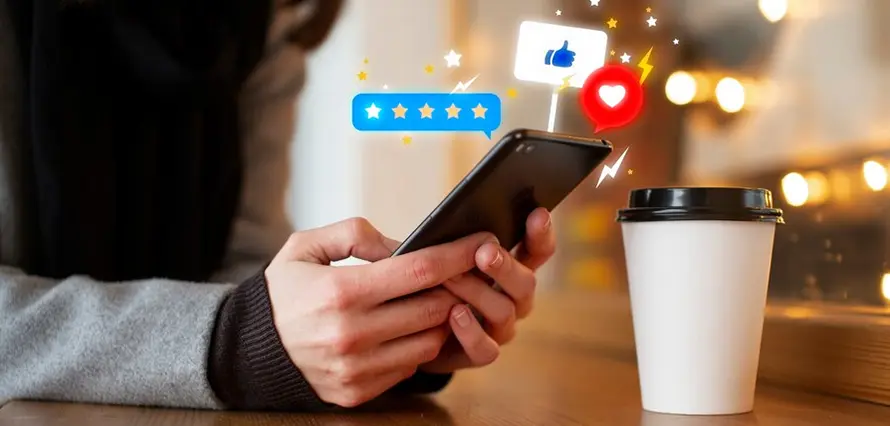
Before booking a hotel, buying a phone, or even trying a new restaurant, most people do one thing first: they read reviews. Whether it’s a five-star rating or a detailed personal experience, customer reviews have become one of the most powerful influences on decision-making in the digital age.
But have you ever wondered why reviews matter so much? Why do we trust the opinions of strangers online—people we’ve never met—sometimes more than brand advertising or even expert recommendations?
The answer lies in psychology.
This article explores the deeper reasons behind why customer reviews are so influential, how trust is built through them, and how you can use this knowledge to make smarter, safer decisions online.
What Are Customer Reviews and Why Do They Matter?
Customer reviews are opinions, ratings, or feedback shared by people who have already used a product or service. They appear on platforms like e-commerce websites, travel booking sites, and dedicated review platforms.
At first glance, reviews may seem like simple opinions—but they carry much more weight.
Why Reviews Matter:
- They reduce uncertainty before making a purchase
- They provide real-world experiences
- They act as social proof
- They influence perception of quality and trustworthiness
In fact, many users rely on reviews almost as much as personal recommendations from friends or family.
The Psychology Behind Trusting Reviews
Understanding why reviews work requires looking at how the human brain processes information and makes decisions.
1. Social Proof: “If Others Like It, It Must Be Good”
One of the strongest psychological drivers is social proof—the idea that people follow the actions of others, especially in uncertain situations.
When we see hundreds or thousands of positive reviews, our brain interprets it as:
“So many people can’t be wrong.”
This creates a sense of safety and confidence.
Example:
Imagine choosing between two hotels:
- Hotel A: No reviews
- Hotel B: 1,200 reviews with a 4.5-star rating
Most people will instinctively choose Hotel B—even without reading all the details.
2. Herd Behavior: Following the Crowd
Closely related to social proof is herd behavior. Humans are naturally influenced by group behavior, especially when making unfamiliar decisions.
We often assume:
- The crowd has already done the research
- Popular choices are safer choices
This reduces the mental effort needed to decide.
3. Trust in “Real People” Over Brands
People tend to trust other individuals more than companies. Why?
Because companies have incentives to sell, while customers are perceived as having no hidden agenda.
Reviews feel:
- Honest
- Unfiltered
- Relatable
Even if they’re not perfect, they feel real.
Example:
A brand might say:
“Our product is the best in the market.”
But a customer might say:
“It worked well for me, but the battery could be better.”
The second statement feels more believable because it includes both positives and negatives.
4. Emotional Connection and Storytelling
Reviews often include personal stories, and stories are powerful.
Instead of just listing features, reviewers share:
- How a product solved a problem
- What their experience felt like
- Whether expectations were met
This activates emotional thinking, not just logical thinking.
Example:
A review saying:
“This laptop helped me complete my final year project without any issues.”
is more impactful than:
“This laptop has 16GB RAM.”
5. Confirmation Bias: Looking for Validation
People often look for reviews that confirm what they already believe or want to believe.
If someone is already interested in a product, they may:
- Focus more on positive reviews
- Ignore negative ones
- Use reviews to justify their decision
This is called confirmation bias, and it plays a major role in how reviews are interpreted.
The Power of Star Ratings and Visual Signals
It’s not just the content of reviews—it’s also how they’re presented.
Why Star Ratings Work
Star ratings simplify complex information into an easy-to-understand format.
- 5 stars = excellent
- 3 stars = average
- 1 star = poor
This allows users to make quick judgments without reading everything.
The “4-Star Sweet Spot”
Interestingly, users often trust ratings between 4.0 and 4.5 more than a perfect 5.0.
Why?
Because:
- Perfect scores can feel unrealistic
- Slight imperfections make reviews seem more authentic
Negative Reviews: Surprisingly Valuable
Many people assume negative reviews are harmful—but they actually increase trust.
Why Negative Reviews Help:
- They make the overall review profile more believable
- They show transparency
- They highlight potential issues upfront
Example:
A product with:
- 95% positive reviews
- 5% negative reviews
is often more trusted than one with 100% positive feedback.
What Users Look for in Negative Reviews:
- Are complaints consistent?
- Are they minor or serious issues?
- Does the company respond and resolve problems?
The Role of Detail and Specificity
Not all reviews are equally trustworthy.
High-Quality Reviews Usually Include:
- Specific details (features, usage, results)
- Balanced opinions (pros and cons)
- Context (who the reviewer is, how they used the product)
Low-Quality Reviews Often Look Like:
- “Good product”
- “Bad service”
- No explanation or detail
Users tend to trust reviews that feel thoughtful and informative.
Fake Reviews and Trust Issues
While reviews are powerful, they’re not always reliable. Fake reviews are a real issue and can mislead users.
Common Signs of Fake Reviews:
- Overly positive or overly negative language
- Repetitive phrases across multiple reviews
- Lack of specific details
- Sudden spikes in reviews
Why This Matters:
If users feel reviews are manipulated, trust breaks down—not just in the product, but in the platform itself.
Real-World Scenarios
Scenario 1: Buying a Smartphone
You’re comparing two phones:
- Phone X: Slightly cheaper, fewer reviews
- Phone Y: More expensive, thousands of detailed reviews
Even if Phone X looks good on paper, many users will choose Phone Y because:
- It feels safer
- It has proven user satisfaction
Scenario 2: Booking a Hotel
You find a hotel with beautiful photos—but mixed reviews.
After reading:
- Guests complain about cleanliness
- Others praise location
You may decide:
- It’s acceptable for a short stay
- Or choose another hotel based on your priorities
Reviews help you make informed compromises.
How to Use Customer Reviews Wisely
Understanding psychology is powerful—but applying it is even more valuable.
1. Look Beyond the Overall Rating
Don’t rely only on star ratings. Read actual reviews to understand:
- Strengths
- Weaknesses
- Consistency
2. Focus on Recent Reviews
Products and services change over time.
Recent reviews are more relevant because they reflect:
- Current quality
- Updated features
- Latest customer experiences
3. Identify Patterns
One bad review may not matter—but repeated complaints do.
Look for:
- Common issues
- Frequently mentioned strengths
4. Read Both Positive and Negative Reviews
Balance is key.
- Positive reviews show what works
- Negative reviews reveal risks
5. Check Reviewer Credibility
Some platforms show:
- Verified purchases
- Reviewer history
- Detailed profiles
These signals help you judge authenticity.
6. Be Aware of Biases
Remember:
- Your own preferences affect interpretation
- Not every review applies to your situation
Tips for Writing Trustworthy Reviews
If you also leave reviews, you play a role in helping others.
Write Better Reviews By:
- Being honest and balanced
- Including specific details
- Sharing your actual experience
- Avoiding exaggeration
- Mentioning both pros and cons
Good reviews help build a healthier online ecosystem.
The Future of Customer Reviews
Customer reviews are evolving with technology.
Emerging Trends:
- AI-powered review analysis
- Verified identity systems
- Video and photo reviews
- More transparency from platforms
As systems improve, trust will depend even more on authenticity and quality.
Conclusion
Customer reviews are more than just opinions—they are powerful psychological tools that shape how we think, feel, and decide.
We trust them because they:
- Provide social proof
- Feel authentic and relatable
- Reduce uncertainty
- Offer real-world insights
However, not all reviews are equal. By understanding the psychology behind them, you can:
- Spot trustworthy feedback
- Avoid misleading information
- Make smarter, more confident decisions
Final Takeaway:
Don’t just read reviews—analyze them.
Look for patterns, balance, and authenticity. When used wisely, customer reviews can become one of your most valuable tools for navigating the online world safely and effectively.
More Articles

What to Do If You’ve Been Targeted by a Romance Scam: A Step-by-Step Recovery Guide
You wake up and check your messages—nothing. No “good morning,” no affectionate vo...
Read more
How to Spot a Romance Scam Before It’s Too Late: Real Warning Signs from User Reviews
You match with someone online. They’re attentive, thoughtful, and somehow always say exactly w...
Read more
Step-by-Step Guide to Reporting a Suspicious Review
Introduction Online reviews have become one of the most powerful tools for making decisions. Whethe...
Read more