How to Use Reviews to Make Better Buying Decisions
Introduction
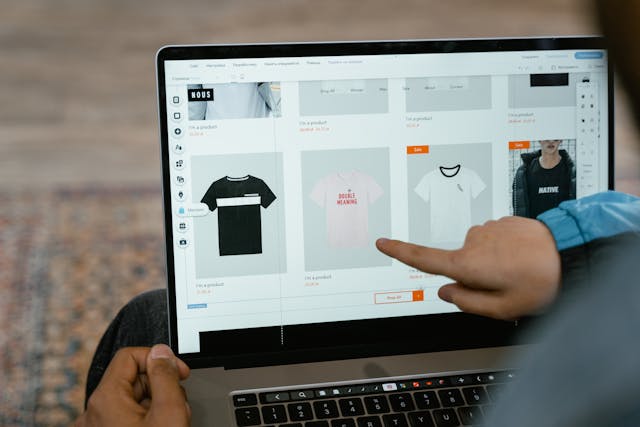
Buying something online should feel exciting—not risky. Yet many people have experienced disappointment after purchasing a product or service that didn’t live up to expectations. This is where online reviews come in. They act like digital word-of-mouth, giving you insights from real people who have already tried what you’re considering.
But here’s the catch: not all reviews are equally helpful—or even genuine. Knowing how to read, analyze, and use reviews properly can save you money, time, and frustration.
In this guide, you’ll learn how to use reviews effectively to make smarter, safer buying decisions. Whether you're shopping for a gadget, booking a hotel, or choosing a service, these strategies will help you cut through the noise and find what truly matters.
What Are Online Reviews and Why Do They Matter?
Online reviews are opinions shared by customers about a product, service, or business. They typically include ratings (like stars) and written feedback.
Why reviews are important:
- They provide real user experiences – Not just marketing claims
- They reveal strengths and weaknesses – What works and what doesn’t
- They help build trust – Especially when buying from unfamiliar brands
- They reduce risk – You learn from others’ mistakes
Think of reviews as a shortcut to experience. Instead of trying something blindly, you get to see how it worked out for others first.
Types of Reviews You’ll Come Across
Understanding the different kinds of reviews helps you interpret them more accurately.
1. Positive Reviews
These highlight what people liked. They often mention:
- Good quality
- Fast delivery
- Great customer service
Watch out: Overly perfect reviews with no details can sometimes be fake.
2. Negative Reviews
These focus on problems or dissatisfaction.
- Poor quality
- Delays
- Bad support
Tip: Don’t ignore negative reviews—they often contain valuable warnings.
3. Neutral or Mixed Reviews
These are often the most useful.
- Balanced opinions
- Both pros and cons
- Realistic expectations
4. Verified Purchase Reviews
These come from confirmed buyers.
- More reliable
- Less likely to be fake
How to Analyze Reviews Effectively
Reading reviews isn’t just about scrolling through star ratings. You need a strategy.
Look Beyond the Star Rating
A product with a 4.2 rating might actually be better than one with 4.8 if:
- The 4.2 product has detailed, honest feedback
- The 4.8 product has generic or suspicious reviews
Focus on Patterns, Not One-Off Opinions
Instead of reacting to a single review, look for trends.
Example:
If multiple people say:
- “Battery doesn’t last long” → Likely a real issue
- “Customer service is slow” → Probably consistent
Check Recent Reviews
Products and services change over time.
- A product improved after updates
- A business fixed past issues
Always prioritize recent feedback.
Spotting Fake or Misleading Reviews
Not all reviews are genuine. Learning to identify fake ones is essential.
Warning Signs of Fake Reviews:
- Extremely vague (“Amazing product!!!”)
- Overly enthusiastic with no detail
- Repetitive phrases across multiple reviews
- Large number of reviews posted in a short time
- All 5-star or all 1-star with no middle ground
What Genuine Reviews Look Like:
- Specific details (“Battery lasted 6 hours during travel”)
- Balanced opinions
- Mention of both positives and negatives
Using Reviews to Compare Products or Services
Reviews are especially powerful when comparing options.
Step-by-Step Comparison Strategy:
- Shortlist 2–3 options
- Read reviews for each
- Create a quick comparison:
| Feature | Product A | Product B |
|---|---|---|
| Quality | Good | Excellent |
| Price | Affordable | Expensive |
| Durability | Medium | Strong |
| Customer Feedback | Mixed | Mostly positive |
- Identify deal-breakers
- Choose based on your priorities
Real-World Example: Buying a Smartphone
Let’s say you’re buying a new phone.
What reviews might reveal:
- Battery life: Lasts a full day or drains quickly
- Camera quality: Great in daylight but weak at night
- Performance: Smooth or laggy after updates
Smart approach:
- Ignore hype
- Focus on consistent feedback
- Watch for long-term reviews (after weeks/months of use)
Result: You choose a phone that fits your real needs—not just marketing promises.
How Reviews Help You Avoid Scams
Reviews are one of the best tools to identify risky sellers or fake products.
Red Flags in Business Reviews:
- Complaints about not receiving items
- Reports of poor refunds or no response
- Multiple users mentioning fraud or misleading ads
Safe Buying Tips:
- Choose sellers with consistent positive feedback
- Avoid businesses with repeated serious complaints
- Check if the company responds professionally to reviews
Practical Tips for Using Reviews Wisely
Here are actionable ways to make reviews work for you:
Before Buying:
- Read at least 10–15 reviews
- Check both positive and negative feedback
- Look for photos or videos from real users
While Evaluating:
- Prioritize detailed reviews
- Compare recent vs older feedback
- Focus on issues that matter to you
After Buying:
- Leave your own honest review
- Help others make better decisions
- Share both pros and cons
Common Mistakes to Avoid
Even smart shoppers can misuse reviews. Here’s what to watch out for:
1. Trusting Only Star Ratings
Stars don’t tell the full story.
2. Ignoring Negative Reviews
They often highlight real problems.
3. Overreacting to One Bad Review
Look for patterns, not isolated complaints.
4. Believing Everything You Read
Always think critically.
5. Not Checking Multiple Sources
Use more than one platform for better accuracy.
The Psychology Behind Reviews
Understanding why reviews influence us can make you a smarter buyer.
Social Proof
People tend to follow others’ decisions. If many people like something, we assume it’s good.
Emotional Impact
- Negative reviews feel stronger than positive ones
- One bad experience can outweigh many good ones
Bias Awareness
- Some reviewers have unrealistic expectations
- Others may be overly harsh or overly generous
Tip: Stay objective and focus on facts, not emotions.
How Businesses Use Reviews (And What It Means for You)
Businesses actively monitor and respond to reviews.
What to Look For:
- Do they respond politely?
- Do they offer solutions?
- Do they take responsibility?
Why This Matters:
A company that handles criticism well is often more trustworthy than one with perfect ratings but no engagement.
Making Reviews Work for You: A Simple Checklist
Before making any purchase, ask yourself:
- ✔ Have I read enough reviews?
- ✔ Do I see consistent patterns?
- ✔ Are the reviews recent?
- ✔ Do they include real details?
- ✔ Am I considering both pros and cons?
If you can answer “yes” to most of these, you’re likely making a well-informed decision.
Conclusion
Online reviews are one of the most powerful tools available to modern consumers—but only if you use them correctly. Instead of relying on star ratings alone, take the time to read, analyze, and compare real feedback.
The key is to think critically:
- Look for patterns
- Focus on detailed, recent reviews
- Stay alert to fake or misleading content
When used wisely, reviews can guide you toward better choices, help you avoid costly mistakes, and give you confidence in your decisions.
More Articles

What to Do If You’ve Been Targeted by a Romance Scam: A Step-by-Step Recovery Guide
You wake up and check your messages—nothing. No “good morning,” no affectionate vo...
Read more
How to Spot a Romance Scam Before It’s Too Late: Real Warning Signs from User Reviews
You match with someone online. They’re attentive, thoughtful, and somehow always say exactly w...
Read more
Step-by-Step Guide to Reporting a Suspicious Review
Introduction Online reviews have become one of the most powerful tools for making decisions. Whethe...
Read more