How to Identify Fake Reviews Online (Complete Guide)
Introduction
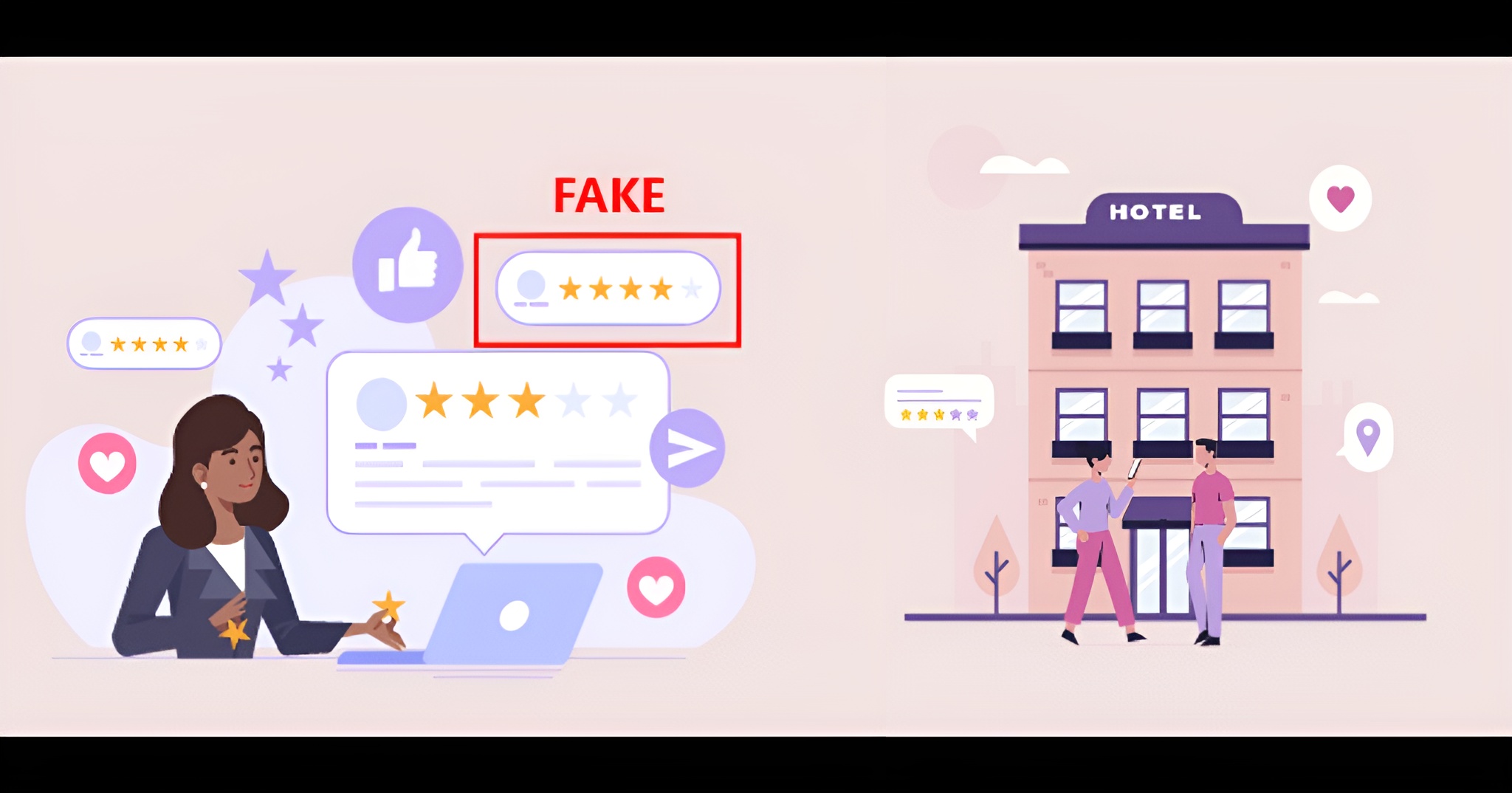
Online reviews have become one of the most powerful tools for making decisions. Whether you're choosing a hotel, buying a gadget, or trying a new restaurant, reviews help you feel more confident before spending your money. But here’s the problem: not all reviews are genuine.
Fake reviews are everywhere—and they’re getting harder to spot. Businesses may post overly positive reviews to boost their reputation, while competitors might leave negative ones to damage others. As a result, users can easily be misled.
This guide will help you understand how fake reviews work, how to identify them, and how to protect yourself. By the end, you’ll be able to read reviews with a sharper eye and make smarter, safer choices online.
What Are Fake Reviews?
Fake reviews are ratings or feedback that do not reflect real customer experiences. They are often written with a specific goal in mind, such as:
-
Promoting a product or service unfairly
-
Damaging a competitor’s reputation
-
Influencing customer decisions artificially
These reviews can appear on e-commerce platforms, travel websites, app stores, and even social media.
Why Fake Reviews Exist
Fake reviews are created because they can directly impact sales and trust. A product with hundreds of glowing reviews is more likely to attract buyers—even if those reviews aren’t real.
Common motivations include:
-
Marketing manipulation: Boosting visibility and credibility
-
Reputation attacks: Hurting competitors
-
Financial incentives: Paid reviewers or review farms
Why It’s Important to Spot Fake Reviews
Failing to recognize fake reviews can lead to poor decisions. You might:
-
Buy low-quality or unsafe products
-
Waste money on disappointing services
-
Lose trust in platforms that rely on user feedback
Understanding how to filter genuine reviews from fake ones protects both your wallet and your time.
Common Signs of Fake Reviews
1. Overly Positive or Negative Language
Fake reviews often sound extreme. They may use exaggerated phrases like:
-
“Best product ever!!!”
-
“Absolutely terrible, worst experience of my life”
Real reviews tend to be more balanced, mentioning both pros and cons.
2. Lack of Specific Details
Genuine reviewers usually describe their experience in detail. Fake reviews often stay vague.
Fake example:
“Amazing product. Highly recommend.”
Real example:
“The battery lasted about 10 hours, which was perfect for my workday. However, the screen brightness could be better outdoors.”
Look for reviews that include:
-
Specific features
-
Personal experiences
-
Real use cases
3. Repeated Phrases Across Reviews
If multiple reviews use the same wording, it’s a red flag.
Examples:
-
“Excellent quality and fast delivery” repeated many times
-
Similar sentence structure across different users
This often indicates automated or copy-paste reviews.
4. Reviewer Profile Looks Suspicious
Clicking on a reviewer’s profile can reveal a lot.
Warning signs include:
-
Only one review posted
-
Multiple reviews posted in a short time
-
Reviews across unrelated products or locations
A trustworthy reviewer usually has a history of varied and consistent activity.
5. Sudden Spike in Reviews
If a product suddenly receives a large number of reviews in a short period, it may indicate manipulation.
For example:
-
A new product gets 200 five-star reviews within two days
-
A business receives many positive reviews after negative press
Always check the timeline of reviews.
6. Generic Usernames
Fake accounts often use random or generic names like:
-
user12345
-
JohnDoe987
While not always fake, a pattern of such usernames can be suspicious.
7. Reviews That Focus Only on Emotion
Fake reviews often rely heavily on emotional language without substance.
Examples:
-
“I love it so much!!!”
-
“This is horrible!!! Never again!!!”
Authentic reviews usually include reasoning behind the opinion.
Real-World Scenarios
Scenario 1: Buying Electronics Online
You’re looking for headphones. One product has 500 five-star reviews with short comments like “Great!” and “Perfect!”
Another product has 120 reviews with detailed feedback about sound quality, comfort, and battery life.
Which is more trustworthy?
The second one. Detailed, varied reviews are harder to fake at scale.
Scenario 2: Choosing a Restaurant
A restaurant has only glowing reviews posted within a few days, all using similar phrases.
Meanwhile, another restaurant has mixed reviews over several months with detailed experiences.
The safer choice?
The second restaurant. Authentic reviews show diversity and time consistency.
How to Verify If Reviews Are Genuine
Check Multiple Sources
Don’t rely on one platform. Look at reviews across different websites.
If a business has:
-
Perfect ratings on one site
-
Mixed or poor ratings elsewhere
That’s worth investigating.
Look at Review Distribution
A natural review pattern includes:
-
A mix of ratings (5-star, 4-star, 3-star, etc.)
-
Constructive criticism
If all reviews are 5-star, it may not be realistic.
Pay Attention to Timing
Ask yourself:
-
Are reviews spaced out naturally?
-
Or do they appear in bursts?
Natural reviews come in gradually over time.
Analyze Language Patterns
Watch for:
-
Repetitive wording
-
Marketing-style language
-
Lack of personal tone
Real reviews often sound like everyday conversations.
Practical Tips to Protect Yourself
Here are simple, actionable steps you can follow:
✔ Read Both Positive and Negative Reviews
Don’t just look at high ratings. Negative reviews can reveal hidden issues.
✔ Focus on Detailed Feedback
Prioritize reviews that explain why the user liked or disliked something.
✔ Be Skeptical of Perfection
No product or service is perfect. A flawless rating can be a warning sign.
✔ Check Reviewer Credibility
Look at the reviewer’s history before trusting their opinion.
✔ Use Your Judgment
If something feels off, it probably is. Trust your instincts.
Advanced Signs of Sophisticated Fake Reviews
As fake reviews become more advanced, they can mimic real ones. Here are deeper signs:
Inconsistent Details
A reviewer might:
-
Mention features that don’t exist
-
Describe incorrect product specs
Unnatural Review Patterns
You might notice:
-
Reviews posted at the same time each day
-
Similar rating patterns across multiple products
Incentivized Reviews
Some reviews are written in exchange for discounts or free products.
Clues include:
-
“Received this product for free”
-
“Sponsored review”
These aren’t always fake, but they can be biased.
Tools and Methods to Help You
While you can manually spot fake reviews, some tools can help:
-
Browser extensions that analyze review authenticity
-
Review-checking websites that detect suspicious patterns
-
AI-based tools that flag fake language
Even with tools, human judgment is still essential.
Why Platforms Struggle to Control Fake Reviews
Many platforms try to remove fake reviews, but it’s not easy.
Challenges include:
-
Large volume of reviews
-
Sophisticated fake accounts
-
Paid review networks
That’s why users must stay informed and cautious.
Conclusion
Fake reviews are a growing problem in the digital world, but you don’t have to fall for them. By understanding how they work and knowing what to look for, you can make better, safer decisions.
Remember these key takeaways:
-
Look for detailed, balanced reviews
-
Avoid overly emotional or repetitive feedback
-
Check reviewer profiles and review timing
-
Compare across multiple sources
The goal isn’t to become overly suspicious—it’s to become aware. With a little attention and critical thinking, you can confidently navigate online reviews and choose products and services that truly meet your needs.
More Articles

What to Do If You’ve Been Targeted by a Romance Scam: A Step-by-Step Recovery Guide
You wake up and check your messages—nothing. No “good morning,” no affectionate vo...
Read more
How to Spot a Romance Scam Before It’s Too Late: Real Warning Signs from User Reviews
You match with someone online. They’re attentive, thoughtful, and somehow always say exactly w...
Read more
Step-by-Step Guide to Reporting a Suspicious Review
Introduction Online reviews have become one of the most powerful tools for making decisions. Whethe...
Read more