How Review Platforms Detect and Remove Fake Feedback
Introduction
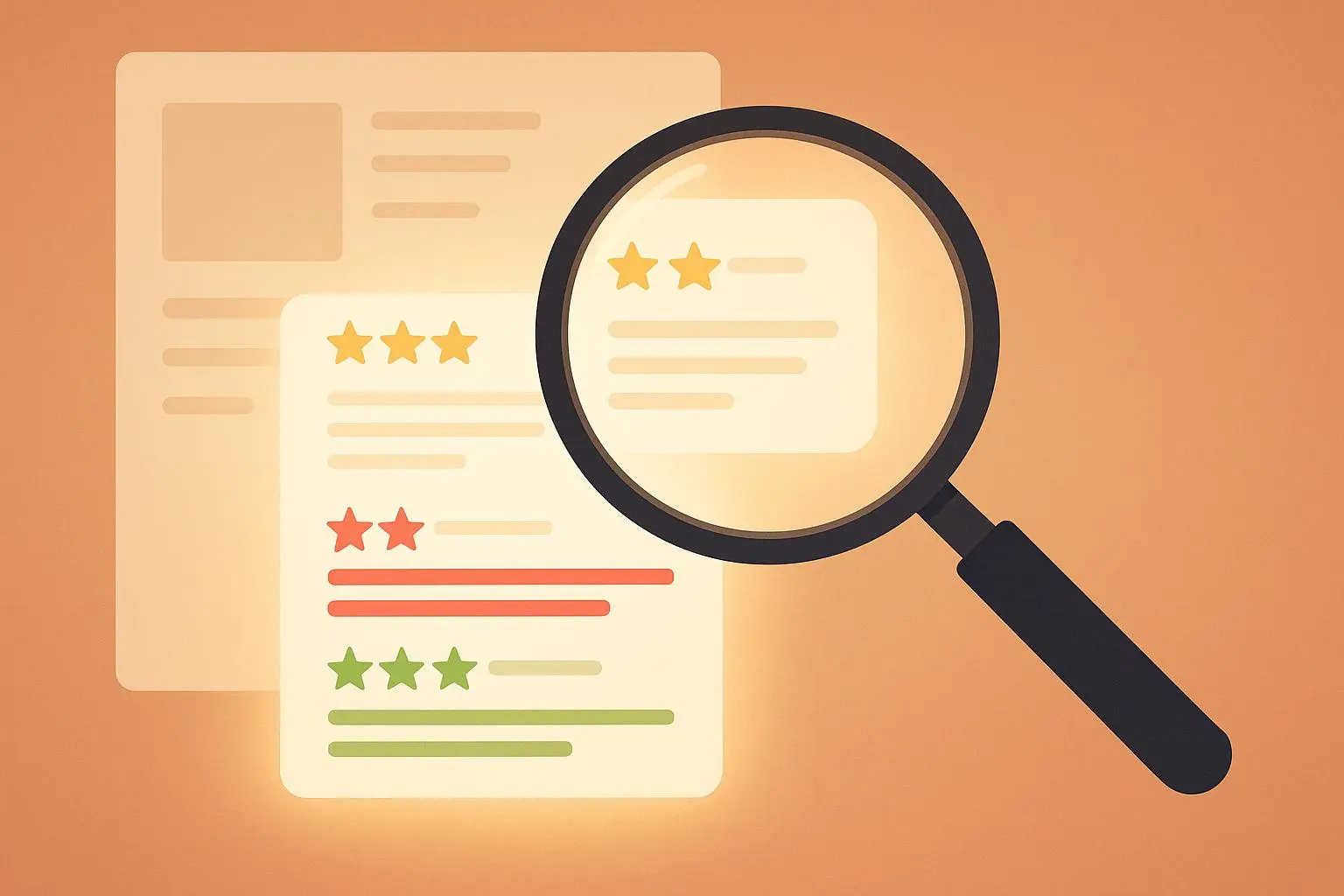
Online reviews have become one of the most powerful tools for decision-making. Whether you're choosing a hotel, buying a product, or hiring a service, reviews help you understand what to expect. But there’s a problem—not all reviews are genuine.
Fake feedback can mislead users, damage trust, and give unfair advantages to certain businesses. That’s why modern review platforms invest heavily in detecting and removing fraudulent content.
In this article, you’ll learn how review platforms identify fake reviews, what systems they use, and how you can spot suspicious feedback yourself. Understanding this process will help you make smarter, safer decisions online.
What Are Fake Reviews?
Fake reviews are misleading or dishonest opinions posted to manipulate perception. These can be:
- Positive reviews written to boost a business unfairly
- Negative reviews aimed at harming competitors
- Reviews written by bots or paid individuals
- Feedback from people who never used the product or service
Fake reviews aren’t always obvious. Some are carefully crafted to look real, making detection more challenging.
Why Fake Reviews Are a Serious Problem
Fake feedback affects everyone:
- Consumers may waste money on poor-quality services
- Honest businesses lose credibility and customers
- Platforms risk losing trust and reputation
Because of this, review platforms take fraud detection very seriously and continuously improve their systems.
How Review Platforms Detect Fake Feedback
Detecting fake reviews isn’t based on one simple rule. Instead, platforms use a combination of technology, data analysis, and human moderation.
1. Automated Algorithms and AI Systems
Most platforms rely heavily on machine learning algorithms to scan reviews.
These systems analyze patterns such as:
- Unusual posting frequency
- Repetitive wording or phrasing
- Sudden spikes in positive or negative reviews
- Similar reviews across multiple accounts
For example, if a business receives 50 five-star reviews in a single day from new accounts, the system may flag this as suspicious.
2. Behavioral Analysis
Platforms don’t just look at the review—they analyze the reviewer’s behavior.
They check:
- How often the user posts reviews
- Whether reviews are written in different locations unrealistically
- If multiple accounts are linked to the same device or IP address
A user who posts dozens of reviews within minutes across different cities is likely not genuine.
3. Natural Language Processing (NLP)
Advanced systems use language analysis to understand how reviews are written.
Fake reviews often:
- Use overly promotional language
- Lack specific details
- Repeat common marketing phrases
- Sound unnatural or scripted
For example:
“This is the best service ever!!! Highly recommend to everyone!!!”
While not always fake, such reviews may be flagged if they appear frequently with similar wording.
4. Account Verification Signals
Platforms also evaluate the credibility of the reviewer:
- Verified purchases or bookings
- Account age
- Profile completeness
- Past review history
A review from a long-time user with consistent activity is more trustworthy than one from a newly created account.
5. Community Reporting
Users play a key role in keeping platforms clean.
Most platforms allow people to:
- Report suspicious reviews
- Flag misleading or harmful content
These reports are then reviewed by moderation teams or automated systems.
How Fake Reviews Are Removed
Once a review is flagged, platforms follow a structured process.
1. Automated Filtering
Some reviews are automatically removed before they even appear publicly. These include:
- Spam content
- Reviews with suspicious patterns
- Content violating platform guidelines
2. Manual Moderation
Human moderators step in when:
- A review is reported by users
- The system is uncertain
- The case is complex
Moderators check whether the review:
- Reflects a real experience
- Follows content guidelines
- Shows signs of manipulation
3. Account Suspension or Ban
If a user repeatedly posts fake reviews, platforms may:
- Remove all their reviews
- Suspend their account
- Permanently ban them
In severe cases, businesses involved in review manipulation may also face penalties.
Real-World Scenarios of Fake Review Detection
Scenario 1: Sudden Review Spike
A small restaurant suddenly receives 100 five-star reviews in two days.
What happens:
- The system flags unusual activity
- Reviews are temporarily hidden
- Accounts are checked for authenticity
If found fake, the reviews are removed.
Scenario 2: Competitor Attack
A business receives multiple one-star reviews from accounts with no history.
Platform response:
- Detects pattern of targeted negativity
- Flags accounts for suspicious behavior
- Removes malicious reviews
Scenario 3: Paid Review Campaign
A company hires individuals to write positive reviews.
Detection signals:
- Similar wording across reviews
- Reviews posted from related IP addresses
- New accounts with no prior activity
These reviews are often removed in bulk.
Signs of Fake Reviews You Can Spot Yourself
While platforms do a lot of work behind the scenes, you can also protect yourself.
Look for these warning signs:
1. Overly Generic Language
- “Amazing service!”
- “Best experience ever!”
Lack of detail can be a red flag.
2. Repetitive Phrases
If multiple reviews use the same wording, they may be fake.
3. Extreme Ratings Only
A mix of reviews is normal. Be cautious if:
- All reviews are 5 stars
- Or all reviews are 1 star
4. Reviewer Profile Issues
Check the reviewer:
- Do they have only one review?
- Do they review unrelated businesses in different locations?
5. Timing Patterns
Many reviews posted in a short time window can indicate manipulation.
Tips to Make Better Decisions Using Reviews
Here are practical ways to use reviews wisely:
Focus on Detailed Reviews
Look for reviews that mention:
- Specific experiences
- Pros and cons
- Real scenarios
These are usually more trustworthy.
Check Multiple Sources
Don’t rely on just one platform. Compare reviews across different sites.
Read Both Positive and Negative Feedback
Balanced feedback gives a clearer picture.
Look at Trends, Not Individual Reviews
Instead of focusing on one review, ask:
- What do most people say?
- Are there recurring issues?
Trust Verified Reviews More
Reviews linked to real purchases or bookings are generally more reliable.
How Businesses Can Stay Ethical
For business owners reading this, the best strategy is simple:
- Encourage genuine customer feedback
- Never buy or fabricate reviews
- Respond professionally to negative feedback
Authenticity builds long-term trust, while fake reviews can damage reputation permanently.
The Future of Fake Review Detection
Review platforms are constantly evolving. New technologies are making detection more accurate:
- AI models that understand context better
- Behavioral biometrics to detect unusual user actions
- Cross-platform data analysis to identify coordinated fraud
As these tools improve, fake reviews will become harder to sustain.
Conclusion
Fake reviews are a real challenge in today’s digital world, but review platforms are actively working to fight them using advanced technology, human moderation, and community support.
As a user, you don’t need to be an expert to stay safe. By understanding how fake reviews work and knowing what to look for, you can make smarter decisions and avoid being misled.
The key takeaway:
Don’t trust blindly—read carefully, look for patterns, and rely on detailed, authentic experiences. When used wisely, reviews remain one of the most valuable tools for making informed choices online.
More Articles

What to Do If You’ve Been Targeted by a Romance Scam: A Step-by-Step Recovery Guide
You wake up and check your messages—nothing. No “good morning,” no affectionate vo...
Read more
How to Spot a Romance Scam Before It’s Too Late: Real Warning Signs from User Reviews
You match with someone online. They’re attentive, thoughtful, and somehow always say exactly w...
Read more
Step-by-Step Guide to Reporting a Suspicious Review
Introduction Online reviews have become one of the most powerful tools for making decisions. Whethe...
Read more