5 Common Mistakes People Make When Reading Reviews

5 Common Mistakes People Make When Reading Reviews
Introduction
Online reviews have become one of the most powerful tools for making decisions. Whether you're choosing a restaurant, buying a gadget, booking a hotel, or hiring a service, reviews often shape your final choice. In many cases, people trust reviews as much as personal recommendations from friends.
But here’s the problem: not all reviews are read—or understood—correctly.
Many users unknowingly fall into common traps when interpreting reviews. They may overreact to a few negative comments, trust overly positive feedback without question, or miss important context that changes the meaning of what they’re reading.
This article breaks down the five most common mistakes people make when reading reviews—and more importantly, how to avoid them. By the end, you’ll be able to make smarter, more confident decisions based on reviews that truly reflect reality.
Understanding the Role of Reviews
Before diving into the mistakes, it’s important to understand what reviews actually represent.
Reviews are subjective opinions based on individual experiences. They are not absolute facts. Every reviewer has different expectations, preferences, and standards.
For example:
-
A budget traveler might rate a hotel 5 stars for affordability
-
A luxury traveler might rate the same hotel 2 stars for lack of amenities
Both reviews can be valid—but only if you understand the context behind them.
The key to using reviews effectively is not just reading them—but interpreting them wisely.
Mistake #1: Focusing Only on the Overall Rating
Why This Is a Problem
Many people look at the average rating (e.g., 4.2 stars) and make a quick decision. While this number is helpful, it doesn’t tell the full story.
A product with a 4.2 rating could:
-
Have consistent quality across all reviews
-
Or be a mix of very high and very low ratings
These are completely different situations.
What You Should Do Instead
Go beyond the average rating and:
-
Read a mix of positive and negative reviews
-
Look for patterns, not isolated opinions
-
Check how recent the reviews are
Example
Imagine a restaurant with a 4.5-star rating. Sounds great, right?
But when you read the reviews, you notice:
-
Older reviews are very positive
-
Recent reviews complain about poor service
This tells you something important: the quality may have changed over time.
Mistake #2: Trusting Extreme Reviews Too Much
The Issue with Extremes
Reviews at the extreme ends—1-star or 5-star—often come from emotional experiences.
-
A 1-star review might be written after one bad incident
-
A 5-star review might come from someone overly excited or biased
These reviews can be helpful, but they are often less balanced.
What to Look For
Focus more on:
-
3-star and 4-star reviews
-
Detailed reviews that explain both pros and cons
These tend to be more realistic and informative.
Example
A 1-star review says:
"Worst product ever. Total waste of money."
A 3-star review says:
"Good value for the price, but battery life could be better."
Which one gives you more useful information? The second one clearly helps you understand what to expect.
Mistake #3: Ignoring Review Context
Why Context Matters
Not all negative reviews mean the product or service is bad. Sometimes, the issue comes from:
-
Misunderstanding the product
-
Unrealistic expectations
-
Incorrect usage
Common Context Clues
Pay attention to:
-
What the reviewer expected vs. what was promised
-
Whether the issue is common or unique
-
The reviewer’s situation
Example
A review says:
"This hotel is terrible—no room service!"
But if the hotel clearly states it’s a budget, self-service hotel, then the complaint is not really a flaw—it’s a mismatch of expectations.
How to Avoid This Mistake
Ask yourself:
-
Is this a real problem or just a personal preference?
-
Would this issue matter to me?
Mistake #4: Overlooking Review Patterns
The Importance of Patterns
One review can be misleading. Ten reviews saying the same thing? That’s a trend.
Patterns reveal the true strengths and weaknesses of a product or service.
What Patterns Look Like
Look for repeated mentions of:
-
Poor customer service
-
Fast delivery
-
Product durability
-
Hidden fees
-
Ease of use
Example
If multiple reviews say:
-
"Customer support never responds"
Then it’s likely a real issue—not just a one-time complaint.
Quick Tip
Instead of asking:
"Is this review true?"
Ask:
"Do multiple reviews say the same thing?"
That’s where real insights come from.
Mistake #5: Not Checking Review Authenticity
The Risk of Fake Reviews
Not all reviews are genuine. Some businesses:
-
Post fake positive reviews to boost ratings
-
Or receive fake negative reviews from competitors
Warning Signs of Fake Reviews
Be cautious if you notice:
-
Very generic language ("Amazing product! Highly recommend!")
-
Multiple reviews posted in a short time
-
Similar wording across different reviews
-
Lack of specific details
What Authentic Reviews Look Like
Real reviews often:
-
Mention specific experiences
-
Include both positives and negatives
-
Sound natural and personal
Example
Fake-looking review:
"Best service ever! Perfect in every way!"
Authentic review:
"Delivery was fast and the product works well, but packaging could be improved."
The second one feels more believable because it includes detail and balance.
Practical Tips for Reading Reviews Smarter
Now that you know the common mistakes, here are some actionable tips to improve how you read reviews:
1. Read at Least 5–10 Reviews
Don’t rely on just one or two opinions. A broader sample gives a clearer picture.
2. Sort Reviews by "Most Recent"
This helps you understand the current quality—not outdated experiences.
3. Look for Detailed Feedback
Short reviews are less helpful than those explaining specific experiences.
4. Compare Across Multiple Platforms
Check reviews on more than one website to avoid bias.
5. Focus on What Matters to You
Not every complaint is relevant. Prioritize what affects your decision.
Real-World Scenario: Buying a Smartphone
Let’s say you’re buying a smartphone online.
What Most People Do:
-
See a 4.6-star rating
-
Read one or two reviews
-
Make a quick decision
What Smart Review Readers Do:
-
Read both positive and negative reviews
-
Notice repeated complaints about battery life
-
Check recent reviews for updates
-
Ignore overly emotional comments
Result:
Instead of being surprised later, they already know:
-
The phone performs well overall
-
But battery life may be a limitation
That’s the power of reading reviews correctly.
Why Reading Reviews Properly Matters
Making decisions based on poor interpretation of reviews can lead to:
-
Wasted money
-
Disappointment
-
Frustration
On the other hand, reading reviews wisely helps you:
-
Choose better products and services
-
Avoid common pitfalls
-
Feel more confident in your decisions
It’s not about reading more reviews—it’s about reading them smarter.
Conclusion
Online reviews are incredibly valuable—but only if you know how to use them properly.
Let’s quickly recap the five common mistakes:
-
Relying only on overall ratings
-
Trusting extreme reviews too much
-
Ignoring context
-
Missing patterns
-
Not checking authenticity
By avoiding these mistakes, you turn reviews into a powerful decision-making tool rather than a source of confusion.
The next time you read reviews, take a moment to dig deeper. Look for patterns, question extremes, and focus on what truly matters to you.
A little extra effort can save you from poor choices—and lead you to better experiences every time.
Final takeaway:
Don’t just read reviews—understand them. That’s the difference between guessing and making informed decisions.
More Articles

What to Do If You’ve Been Targeted by a Romance Scam: A Step-by-Step Recovery Guide
You wake up and check your messages—nothing. No “good morning,” no affectionate vo...
Read more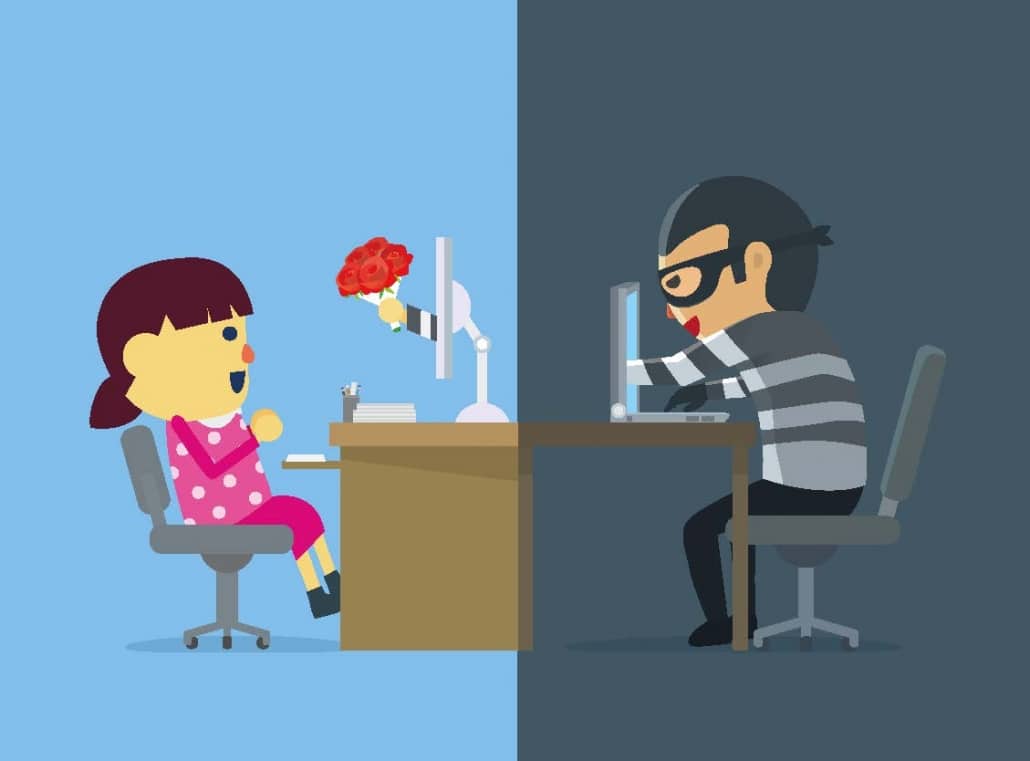
How to Spot a Romance Scam Before It’s Too Late: Real Warning Signs from User Reviews
You match with someone online. They’re attentive, thoughtful, and somehow always say exactly w...
Read more
Step-by-Step Guide to Reporting a Suspicious Review
Introduction Online reviews have become one of the most powerful tools for making decisions. Whethe...
Read more